
Risk analysis in establishing maximum residue limits of pesticide residues in primary food commodities of plant origin
Article Sidebar
Main Article Content
Abstract
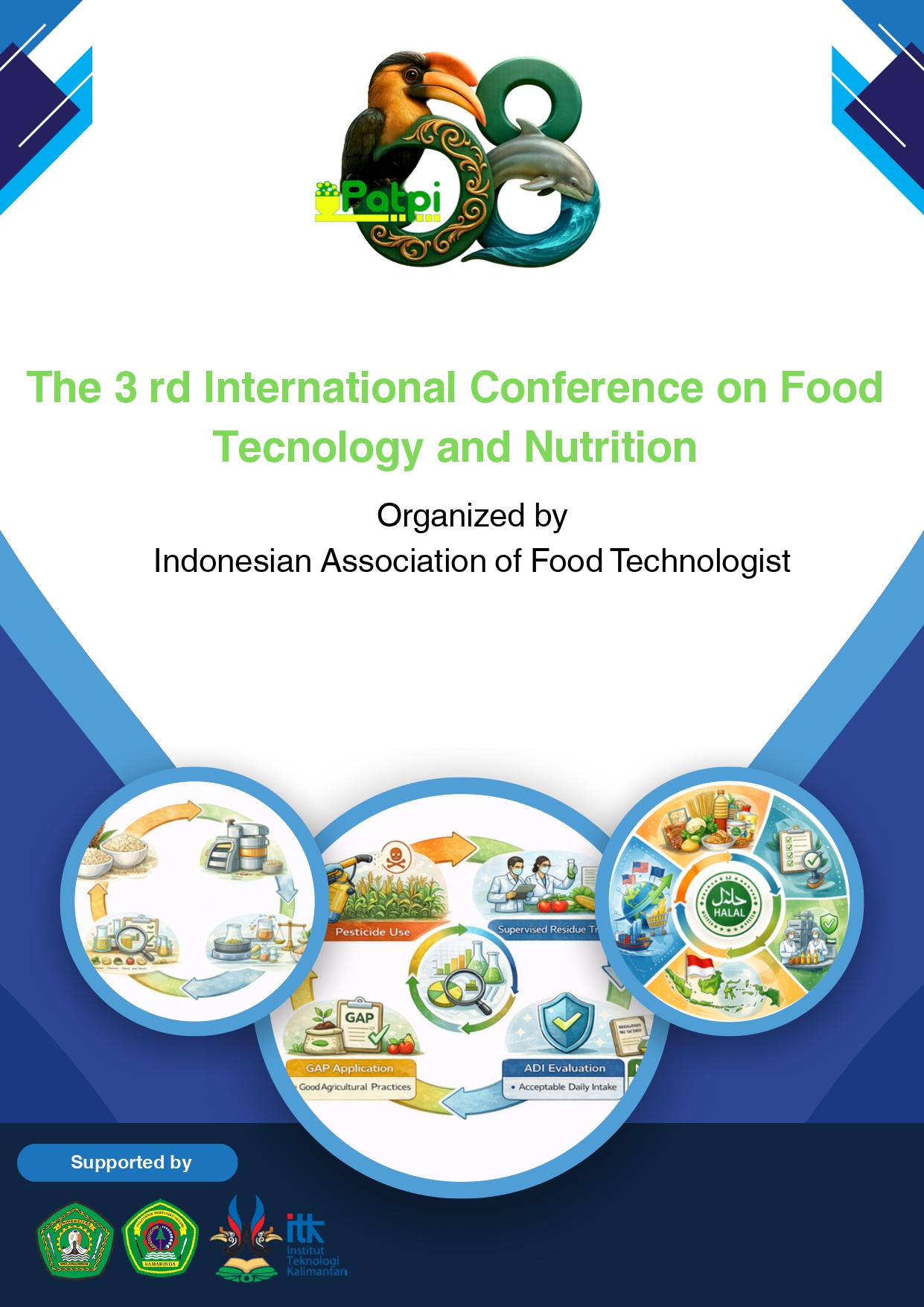
Given Indonesia's tropical climate that fosters the growth of numerous plant pests capable of reducing crop productivity and quality, the application of pesticides in agricultural cultivation becomes unavoidable. Pesticide application must be done properly in accordance with Good Agricultural Practices (GAP), ensuring that residues remaining in food are within safe limits for human health. The establishment of Maximum Residue Limits (MRLs) for pesticides in primary food commodities of plant origin is an important instrument to control food safety in order to safeguard public health, and ensure fair and responsible trade practices. In addition to the method of supervised residue trials conducted under GAP, the setting of MRLs relies on a globally recognized risk analysis approach, incorporating toxicological data, exposure assessments based on national dietary consumption patterns. Safety evaluation is carried out by comparing estimated dietary exposure with toxicological reference values, namely the acceptable daily intake (ADI). In Indonesia, this process is conducted by the National Food Agency (Badan Pangan Nasional), taking into account registered and detected pesticides, exposure assessment, and toxicological evaluations, while involving stakeholders and adhering to the principles of good regulatory practices. The results of risk analysis also respect international standards, such as those established by the Codex Alimentarius Commission and by other countries. Based on this approach, the National Food Agency has established Regulation No. 15/2024, which serves as the reference for pesticide residue control. This policy is expected to protect consumers while simultaneously supporting sustainable production and strengthening the competitiveness of Indonesia’s food sectors.